
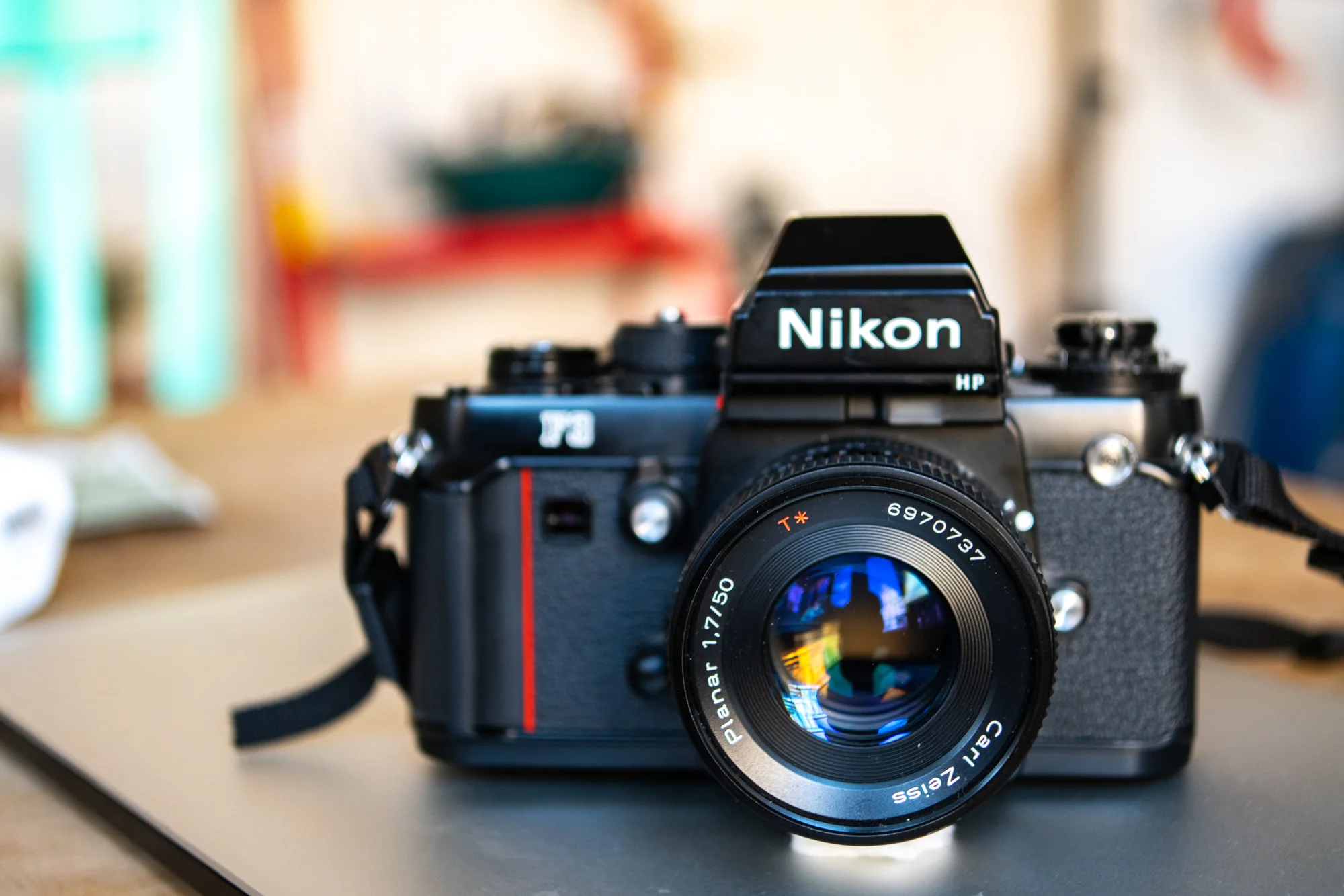
Nikin F3 with Contax Zeiss Planar (adapted to F mount)
I learned to shoot on a Minolta XGM. I still have that camera, it never fails. My Dad always had Nikons, mostly FE and FE2, I wasn’t much of a friend of the metering. When buying a camera and lenses in 1997 (I was 19) I made a foolish mistake in sticking with Minolta instead of buying a Nikon FM2N for the same price as a fully AF Dynax 505si. Maybe I just didn’t understand the Nikon magic back then. I do now.
Fast forward to today and I have an F3 and F4 and an F100 alongside my Olympus OMD-EM1 MKII and Pentax K1 and Rolleiflex 3.5E. For work I mostly use the Olympus and Pentax - but given the fact that I have to fly quite often it’s often the case that I have to prioritise what kit I want to carry. Largely that choice depends on the kind of place I’m going and what I think I’m going to need to do.

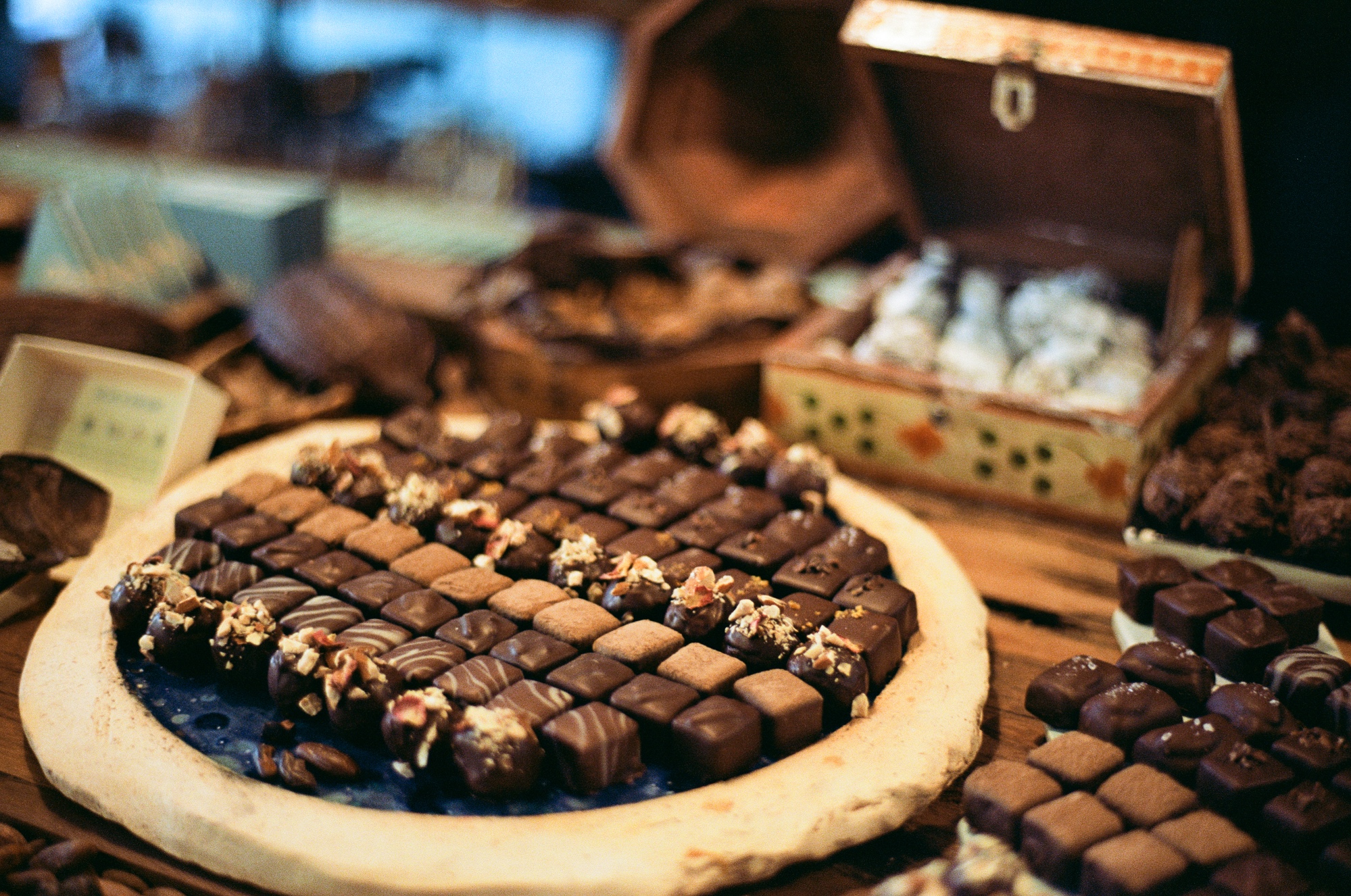
Green Bottle, Vera, Tbilisi Georgia: Kodak Ektar 100
I differentiate between work shooting and personal shooting because the requirements of these are very different. For work I need to be able to ensure absolute perfection and a fast turnaround. For my personal work I want to do as little editing as possible and for the shots to have emotion and a certain je-ne-sais-quoi. The perfection of digital photos doesn’t really touch me anymore. I get genuinely excited picking up the Rolleiflex or any of the film Nikons. For 35mm I really like the look of Kodak Ektar, whereas on Medium Format the colouration and “aesthetic” of Fuji Pro 400H really delivers due to the reproduction of greens and generally cooler hues.

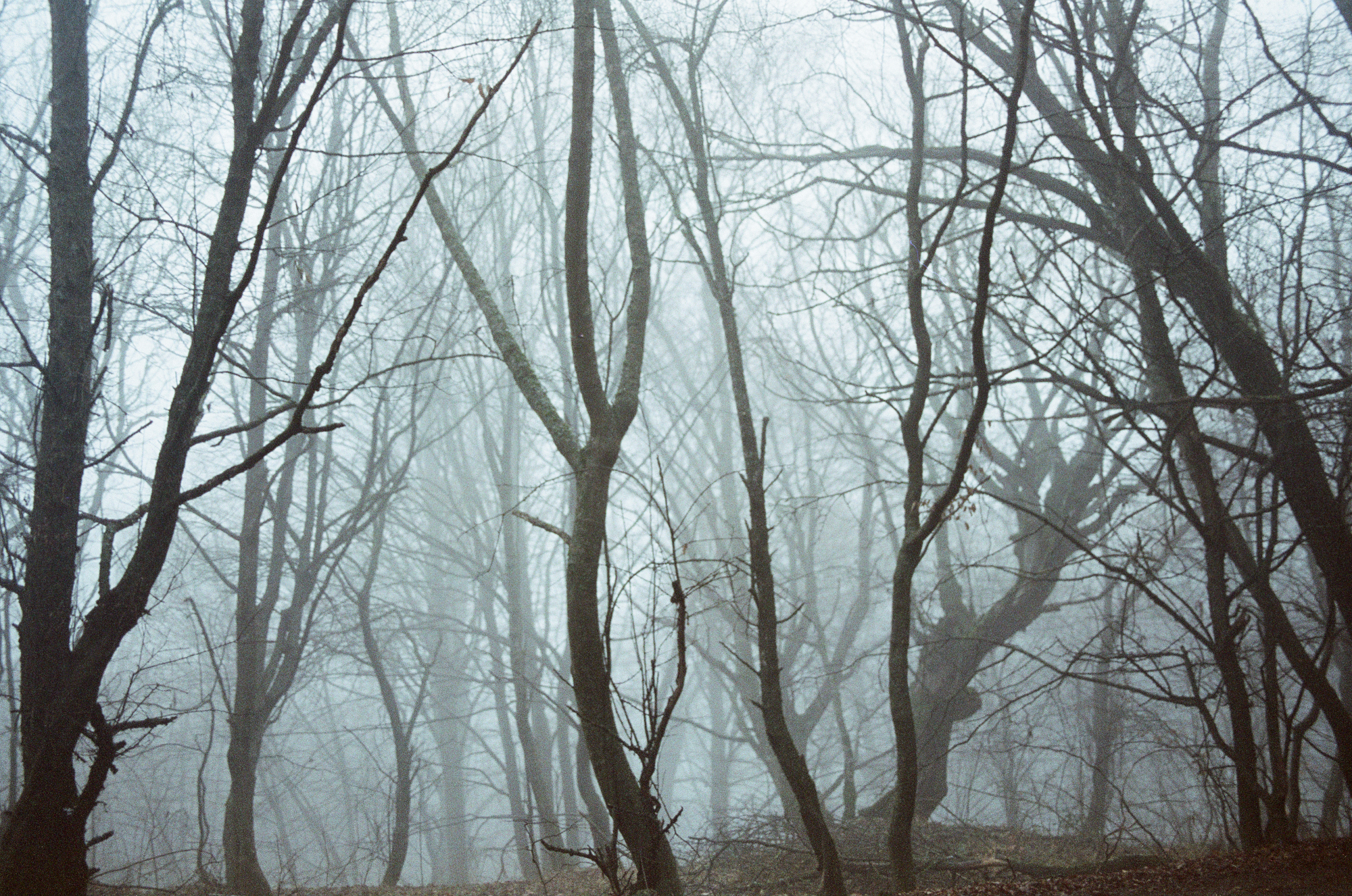
Sabaduri Forest, Tbilisi National Park, Georgia: Nikon F3, Zeiss Planar 50mm 1.7, Kodak Ektar 100
Technically speaking the F100 is the best film camera I owned. It doesn’t suffer the dreaded battery drain and it was the F100 with a 50mm 1.4D that was my first fix of the Nikon magic. The F4 is a far superior camera to the F3 in technical terms, but it’s a veritable brick and I’m not sure I feel that I always need the features it provides me with. I was out shooting with the F4 this weekend on Portra 800 so I will be interested to see how things came out. Which brings us to the F3. For me the F3 represents sheer mechanical quality. Leica enthusiasts may have other opinions, but I’m talking about professional cameras - you know, the ones people used to earn a living with. The Nikon F3 may well already house a remarkable amount of electronics (it does) but the operation of the single lens reflex is fully manual or aperture priority if you wish. I personally prefer to use aperture priority in most situations and focus on composition - the F3 allows me to get on and do this whilst reliably delivering well-exposed images, the only caveat being the displays are not great to read in some light situations and the digital readouts can fail.
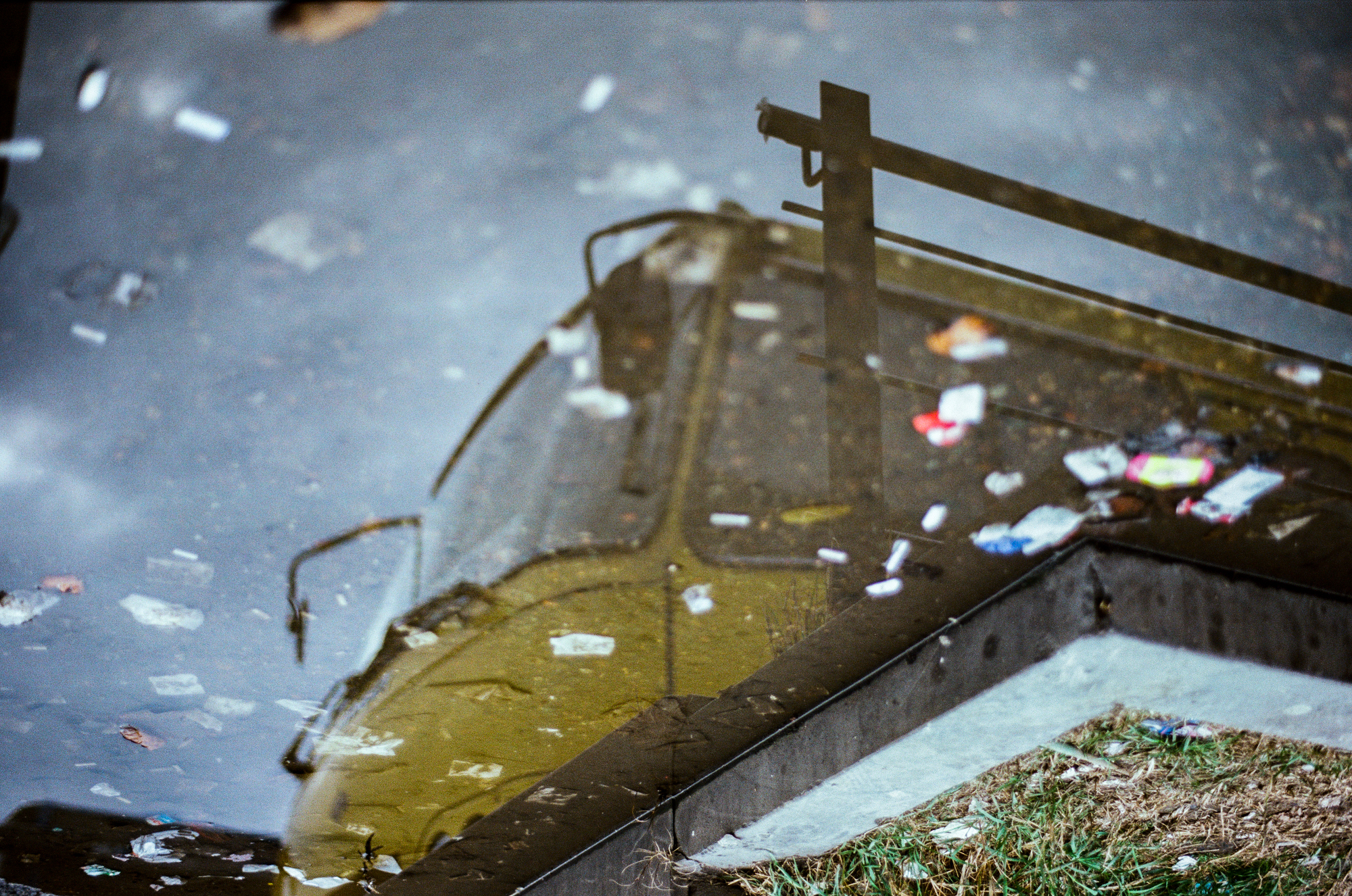
Gombori Pass, Kakheti, Georgia: Nikon F3, Zeiss Planar 50mm 1.7: Fuji Pro 400H
The film advance lever is wonderfully smooth, the first time I used an F3 I wondered whether I’d loaded the film properly, such was the effortlessness of the advance. The feel and sound of the shutter are quite ideal, it needn’t be any quieter - the way it’s weighted feels right. As you’ll note my copy is equipped with the HP (High Eyepoint) viewfinder which gives a 100% field of view - and is of course very bright. I’d hazard that mine feels brighter than the F4.


In terms of how the camera feels: it’s just the right weight. For using bigger lenses such as the 180mm 2.8ED the motor drive provides a better balance and grip, but I tend to put the 180 on the beefier cameras anyway. I feel that the F3 is best with a fast 50 or 35, the 24mm or 85mm, perhaps 135mm at a stretch.
Tbilisi photography workshops
Shoot film in one of the world's most photogenic cities
These workshops are built around the complete arc of film photography - not just the shooting, but the seeing. We start the morning at the Tbilisi Fine Arts Gallery, looking at composition and light in great works before we pick up a camera. Then we take to the streets together. That evening your film goes to the lab. The following morning we review your scans over coffee.
I'm Adrian, I grew up in London and have been based in Tbilisi for thirteen years. I've been shooting film for over thirty years across 35mm and medium format. My work is represented by Fotografia Gallery, Tbilisi, where I've been photographer in residence since 2018.
Choose your workshop
|
medium format Rolleiflex day Rolleiflex 3.5E on loan for the day. Twin-lens reflex, 120 film, square format. $450 per person · max 3 · full day + review
✓ Rolleiflex 3.5E loan |
35mm film 35mm film walk Nikon FM3A or F2 with a Zeiss or Nikkor prime — you choose the pairing. $340 per person · max 4 · full day + review
✓ FM3A or F2 loan |
digital Digital Tbilisi Fujifilm X-T5 or Pentax K1 — your camera or mine. Film simulations and RAW workflow. $290 per person · max 4 · full day + review
✓ Camera loan available |
private Private bespoke day Any system. Portrait, landscape, street, architecture. Entirely your itinerary. $580 sole use · full day + review · any subject
✓ Gallery entry + coffee |
optional upgrade — any workshop
Collector's print edition — +$120
At the review session we select your single best frame together. I'll have it printed on Hahnemühle archival paper, signed and numbered, and mounted in a card ready to frame. A5 or A4 — your choice on the day.
✓ Selected collaboratively at the review session
✓ Giclée print on Hahnemühle archival paper
✓ Signed and numbered by Adrian
✓ Card mounted, ready to frame — A5 or A4
Cameras & lenses available
|
Medium format Rolleiflex 3.5E (TLR, 120 film, square format) 35mm bodies Nikon FM3A 35mm lenses — you choose the pairing Zeiss Distagon 35mm F2 |
Film stocks
Ilford HP5 400 — B&W, 35mm & 120 * All stocks subject to availability. Confirmed when you book. |
All workshops include
| — Tbilisi Fine Arts Gallery visit — we start here, not on the street | — Maximum 3–4 people — never a tour group |
| — Morning coffee at the gallery before we shoot | — Coffee & cake at the next-day review session |
| — Flexible scheduling — weekdays and weekends | — Your scans are yours — no watermarks, no restrictions |
| — Conducted in English | — Gift vouchers available |
Or message me on Instagram